Reference to Video
Guide video generation with reference media and a prompt. Kivue shows compatible models and their input limits; accepted image, video and audio references vary by model.
Credit cost depends on the selected model and settings. Check the amount shown before submitting.
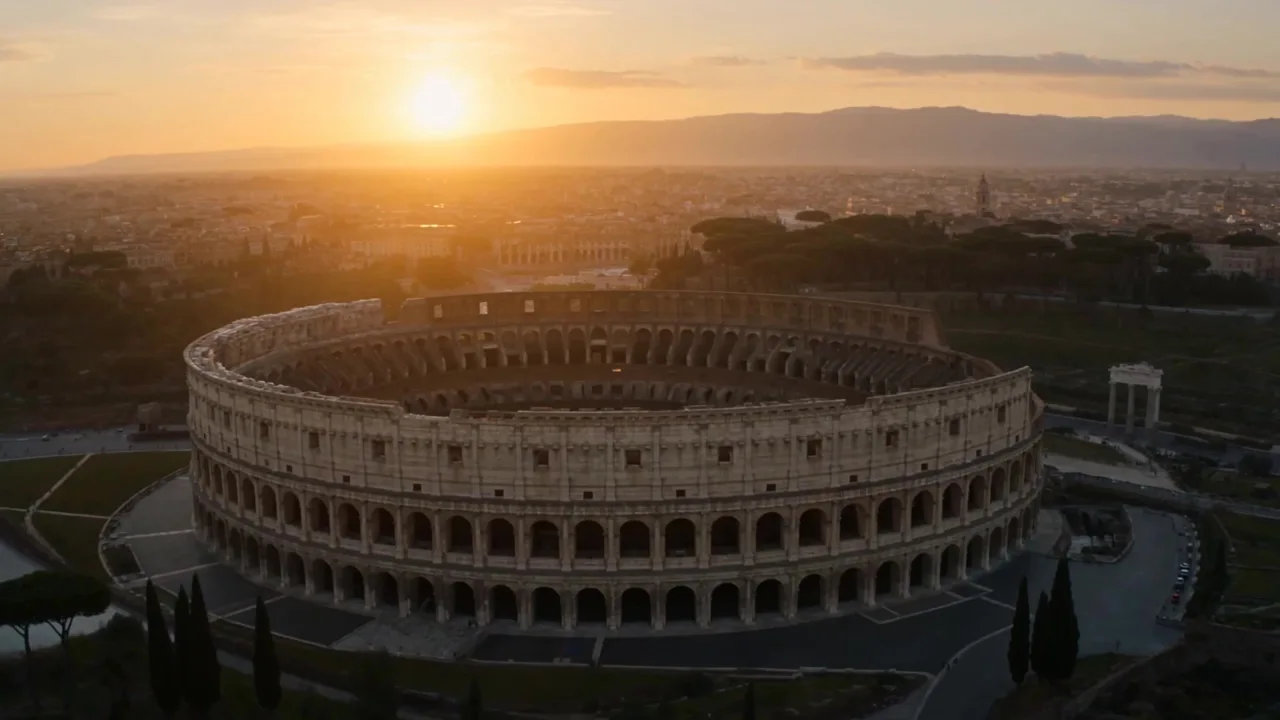
FROM INPUT TO PROJECT
What can you create with Reference to Video?
Guide video generation with reference media and a prompt. Kivue shows compatible models and their input limits; accepted image, video and audio references vary by model.
VISUAL REFERENCES
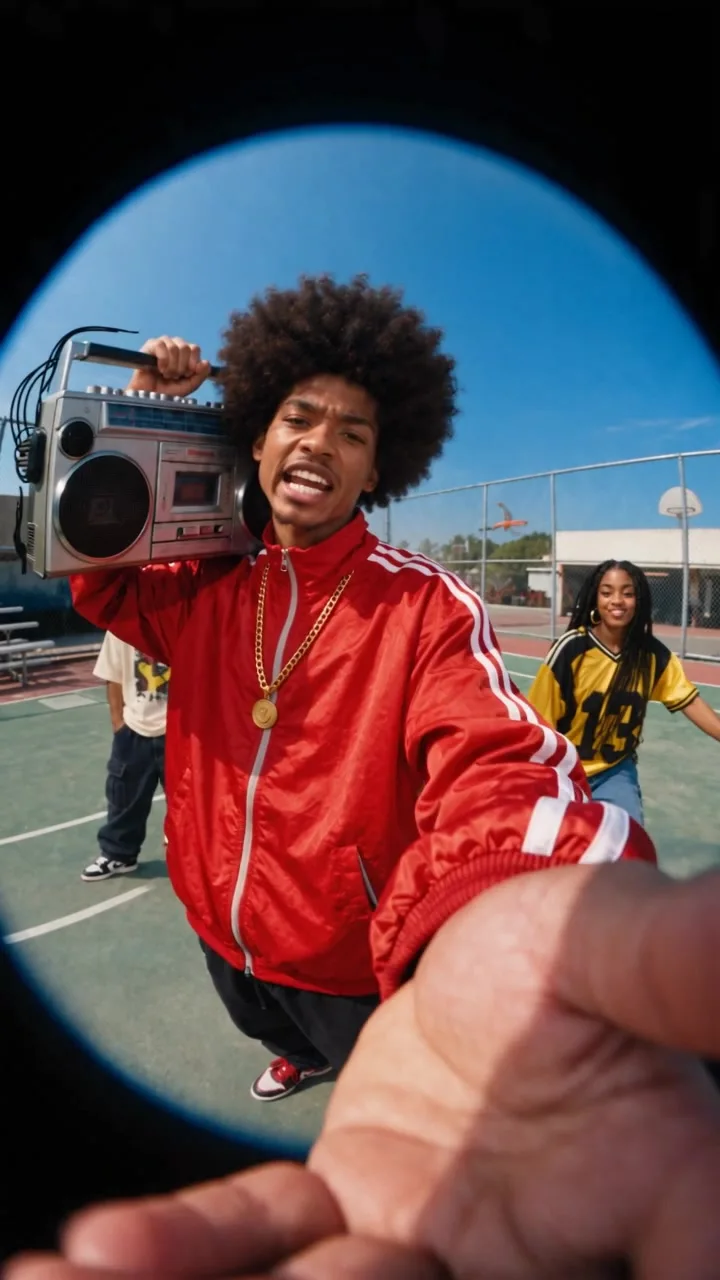
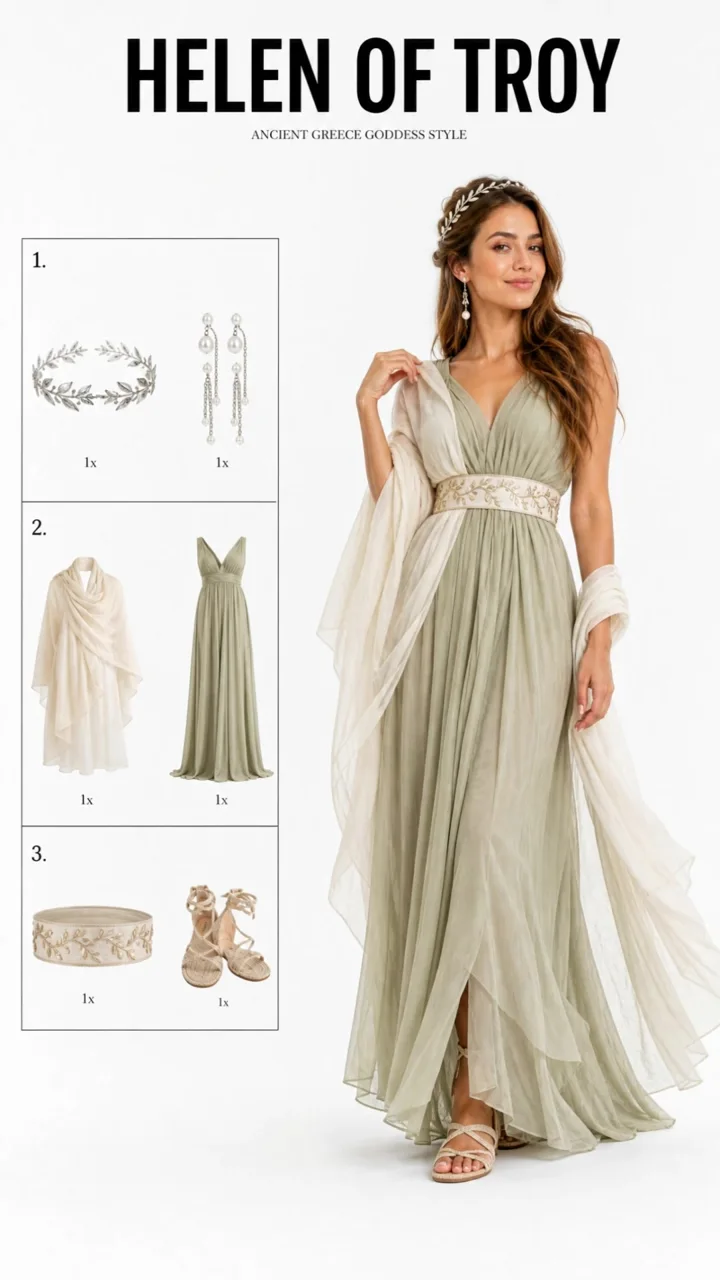
Browse 3 ideas from the Kivue prompt library
Open a cover to inspect its template. These are library references, not a benchmark of this tool or model.
What output settings does Reference to Video support in Kivue?
14 model configurations are available for this entry. Each row describes one configuration; do not combine settings from different rows.
| Model option | Output size | Aspect ratio | Duration |
|---|---|---|---|
| Seedance 2.5 | 480p, 720p, 1080p | 1:1, 9:16, 16:9 | 4–30 seconds |
| Seedance 2.0 | 480p, 720p, 1080p | 1:1, 9:16, 16:9 | 4–15 seconds |
| Seedance 2.0 Mini | 480p, 720p | 1:1, 9:16, 16:9, 4:3, 3:4, 21:9 | 4–15 seconds |
| Kling 3.0 | 720p, 1080p | 1:1, 9:16, 16:9 | 5–15 seconds |
| Grok | 480p, 720p | 1:1, 9:16, 16:9, 3:2 | 6–30 seconds |
| Veo 3.1 Lite | 720p, 1080p, 4k | 9:16, 16:9 | 4–8 seconds |
| Veo 3.1 Fast | 720p, 1080p, 4k | 9:16, 16:9 | 4–8 seconds |
| MiniMax H3 Max Turbo | 480p, 768p | 1:1, 9:16, 16:9 | 5–15 seconds |
| MiniMax H3 Max | 480p, 768p | 1:1, 9:16, 16:9 | 5–15 seconds |
| MiniMax H3 | 768p, 2k | 1:1, 9:16, 16:9 | 4–15 seconds |
| Wan 3.0 Prime | 480p, 720p, 1080p | 1:1, 9:16, 16:9, 4:3, 3:4 | 2–30 seconds |
| Wan 3.0 | 480p, 720p, 1080p | 1:1, 9:16, 16:9, 4:3, 3:4 | 2–30 seconds |
| Wan 2.7 | 720p, 1080p | 1:1, 9:16, 16:9 | 2–15 seconds |
| Kling 4.0 | 720p, 1080p | 16:9, 9:16, 1:1 | 3–30 seconds |
These are Kivue integration settings, not a claim about every feature offered by the model developer. Reference modes can impose additional limits.
Source: Kivue current model configuration. The generator quote remains the price to review before submission.
How should you prepare a Reference to Video request?
Example prompt to adapt to your input:
Use the product image for appearance and the uploaded clip for camera direction. Show the product on a table; do not add labels or background music.
Give each reference a role: appearance, movement or audio. Verify that the chosen model accepts that media type before uploading.
Start with 1 result. Keep the same reference and change one setting at a time when comparing compositions or movement.
How do Kivue and alternative services organize this workflow?
This 3-service comparison covers public entry points and workflow design. It does not rank output quality, speed or price.
| Service | Entry or inputs | Workflow described on the source page |
|---|---|---|
| Kivue | Prompt and model-supported references | Seedance 2.5 lists 480p, 720p, 1080p, with a configured duration of 4–30 seconds. Select a model and check the task quote before submitting. |
| Pollo AI | Text-to-video entry | Its public navigation links model pages and separate image and video tools. |
| Clipdance | Text, image and reference-video entries | Its public navigation separates video workflows, image workflows and AI tools. |
Public competitor pages checked October 30, 2026. A listed entry is not evidence of an identical underlying model. Kivue-specific limits are documented in the configuration above.
How do you use Reference to Video in Kivue?
Follow these 3 steps. Review the settings for this task rather than assuming a previous task used the same parameters.
- Prepare the input. Describe the scene, subject movement and camera direction. Add references only when supported by the selected mode.
- Choose the output. Check the available settings and displayed credit quote. If the workbench is unavailable, it cannot accept a new request.
- Inspect and save. Wait for the completed task, review the result against the input, and save the version you intend to use.
What should you check before publishing the result?
Inspect images at 100% zoom. For video, inspect the start, middle and end; a correct poster frame does not establish that the whole clip is correct.
Look for changes in product shape, face identity, text, object count and continuity during movement. A higher output resolution does not establish that these details are accurate.
Frequently asked questions about Reference to Video
These 4 answers cover input preparation, output checks, cost and availability.
Which resolutions and aspect ratios can I select for Reference to Video in Kivue?
Seedance 2.5 lists 480p, 720p, 1080p, with a configured duration of 4–30 seconds. Its listed ratios include 1:1, 9:16, 16:9. These settings describe this Kivue configuration. Other variants and input modes can differ; check the form for the allowed combination.
How should I write a prompt for Reference to Video for a product campaign?
Give each reference a role: appearance, movement or audio. Verify that the chosen model accepts that media type before uploading.
How many credits will one Reference to Video generation use?
The form calculates a quote from the selected model, output settings and quantity. Review that amount before submitting. A resolution listed on this page is not a fixed-price promise.
Does Reference to Video reproduce my product reference without changing any details?
No exact-match guarantee applies. Reference material guides generation, but shape, print, text or identity can change. Compare the output with the source before commercial use.